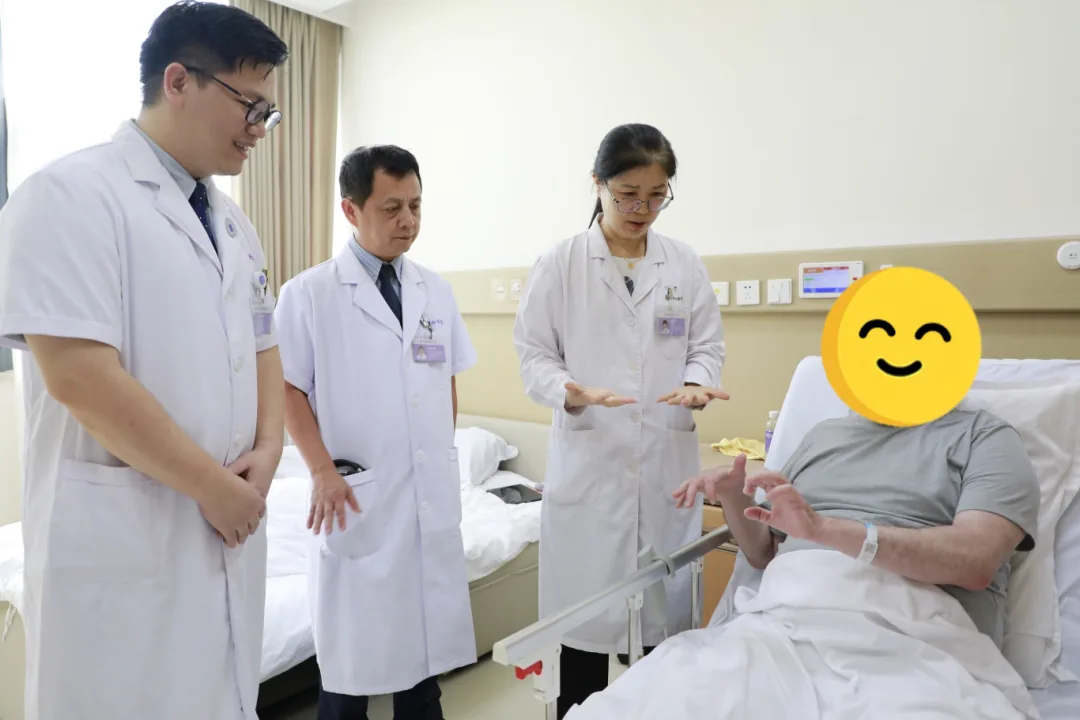
The neurology team at Foshan Chancheng Hospital and its International Medical Center (FIMC) have carried out the city's first intrathecal injection of tofersen, given to a patient from Kazakhstan with amyotrophic lateral sclerosis (ALS) caused by a mutation in the SOD1 gene. It is the first cause-targeted treatment for the disease delivered in Foshan — a small but significant step for rare neurological disease care in the city.
Until now, treatment for ALS has largely been about limiting the damage rather than addressing why it happens. Tofersen changes that for one precisely defined group of patients: those whose disease is driven by a SOD1 mutation confirmed by genetic testing.
What ALS Takes Away
ALS is a rare and unrelenting neurological disease. Patients keep their mind intact while gradually losing command of their muscles: hands weaken, walking becomes difficult, speech thickens, swallowing tires, and in time breathing may need mechanical support. The physicist Stephen Hawking lived with ALS for 55 years and became the most recognised person in the world associated with the condition.
Because it is uncommon, and because its course differs from person to person, families often spend months moving between specialties before they have a clear answer. For the small share of patients with an inherited form of the disease, a genetic result can shorten that road considerably.
From Symptom Control to Cause-Targeted Treatment
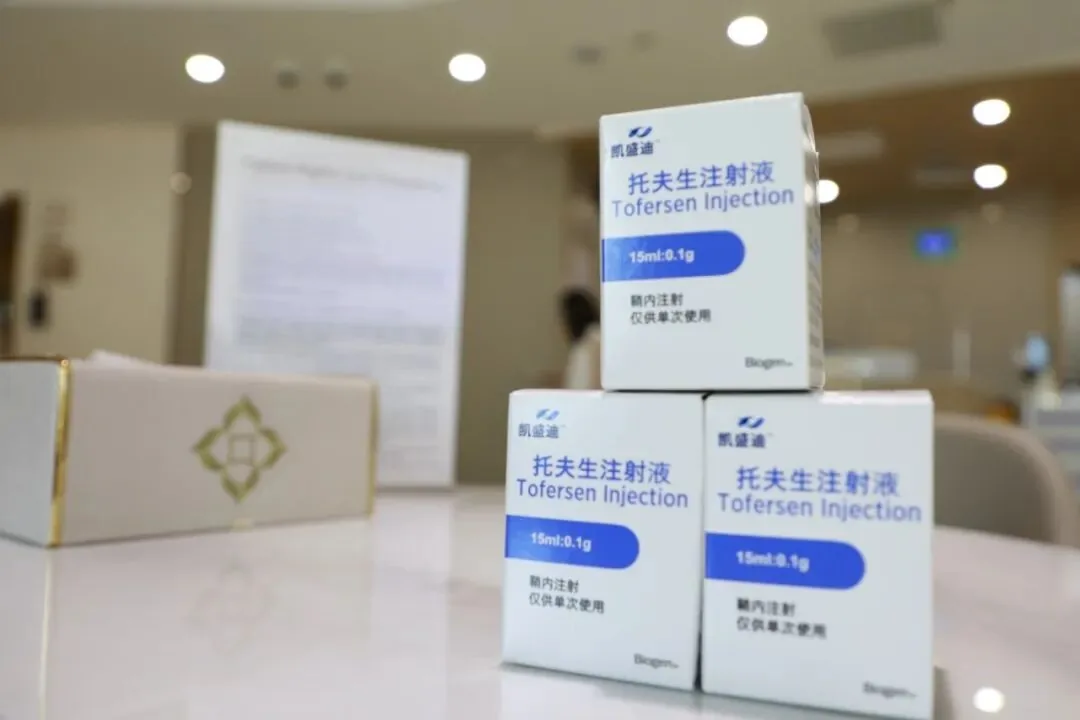
Tofersen is the first approved therapy designed specifically for ALS linked to SOD1 mutations. It is given by intrathecal injection into the cerebrospinal fluid, so the drug reaches the central nervous system directly and reduces production of the SOD1 protein implicated in motor neuron damage. In international trials it lowered SOD1 protein levels and neurofilament light chain, a marker of nerve cell injury — findings that point to slower progression, although the size of the clinical benefit is still being evaluated.
Put simply, conventional treatment has focused on the fire spreading through the nervous system, while tofersen aims at one of its sources.
The Patient from Kazakhstan
The patient's SOD1 mutation had already been confirmed by genetic testing before he came to Foshan. After a full evaluation he chose to be treated at FIMC. The neurology team administered the drug by lumbar puncture under its standard clinical protocol, and he remained stable afterwards.
By the time he arrived, he had already tried oral and intravenous treatments without the response he had hoped for. What he was looking for was not another round of symptom control but a treatment aimed at the cause of his disease.
Who Tofersen Is For
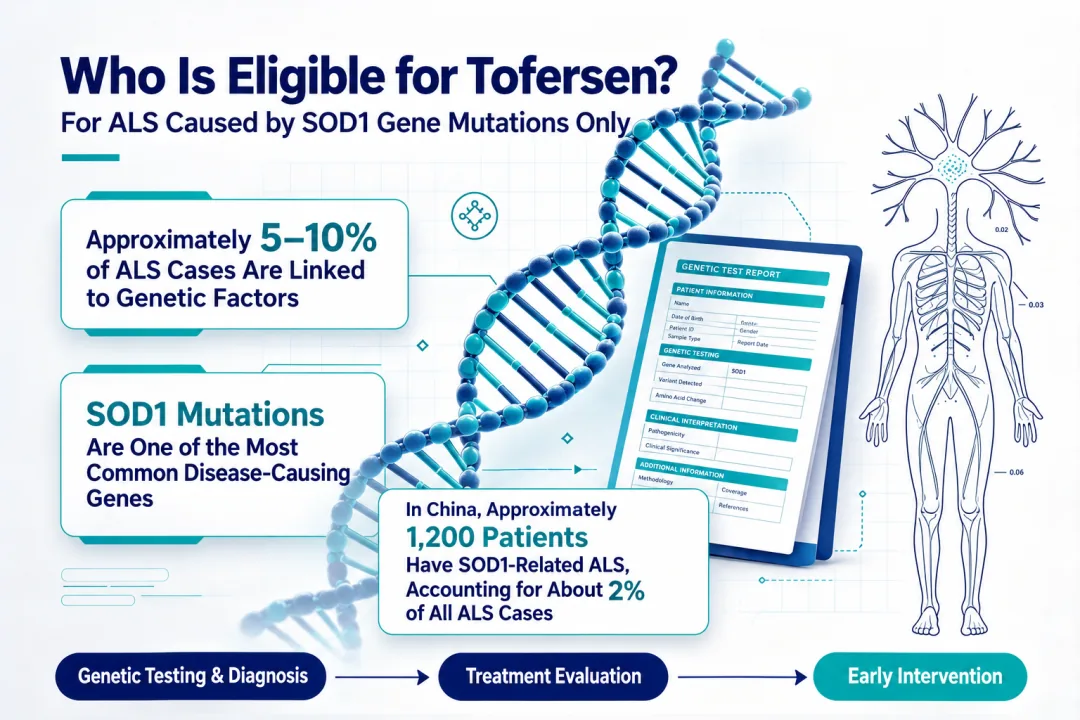
Tofersen is not a treatment for ALS in general. Around 5–10% of ALS cases are linked to inherited genetic factors, and SOD1 mutations are among the most common of those causes. In China an estimated 1,200 people have SOD1-related ALS — roughly 2% of all cases nationally.
That makes genetic testing the gate to treatment: only patients with a confirmed SOD1 mutation are eligible, and the earlier the mutation is identified, the more room there may be to slow progression. People with a family history of ALS, or who develop symptoms at a relatively young age, are advised to discuss SOD1 testing with a neurologist.
A Treatment That Is No Longer a City Away
"Before he came to us, the patient had tried oral and intravenous medication, and the results were not ideal," said Dr. Ren Li, Director of Neurology at Foshan Chancheng Hospital. "When he learned that our hospital could help him access this therapy, he decided to come to Foshan." She added that the department has kept building its capacity for complex and critical neurological cases while bringing in internationally advanced medicines and technology.
Until now, patients in Foshan with SOD1-related ALS who wanted a targeted therapy generally had to travel to Beijing, Shanghai or Guangzhou for it. The first intrathecal tofersen treatment here means eligible patients can now be treated in their own city.
The International Medical Center, which opened in March 2026, was set up to extend that reach beyond Guangdong. For international patients it is intended as a route into Chinese specialist care that is coordinated from the first message rather than improvised on arrival.
Beyond the First Case
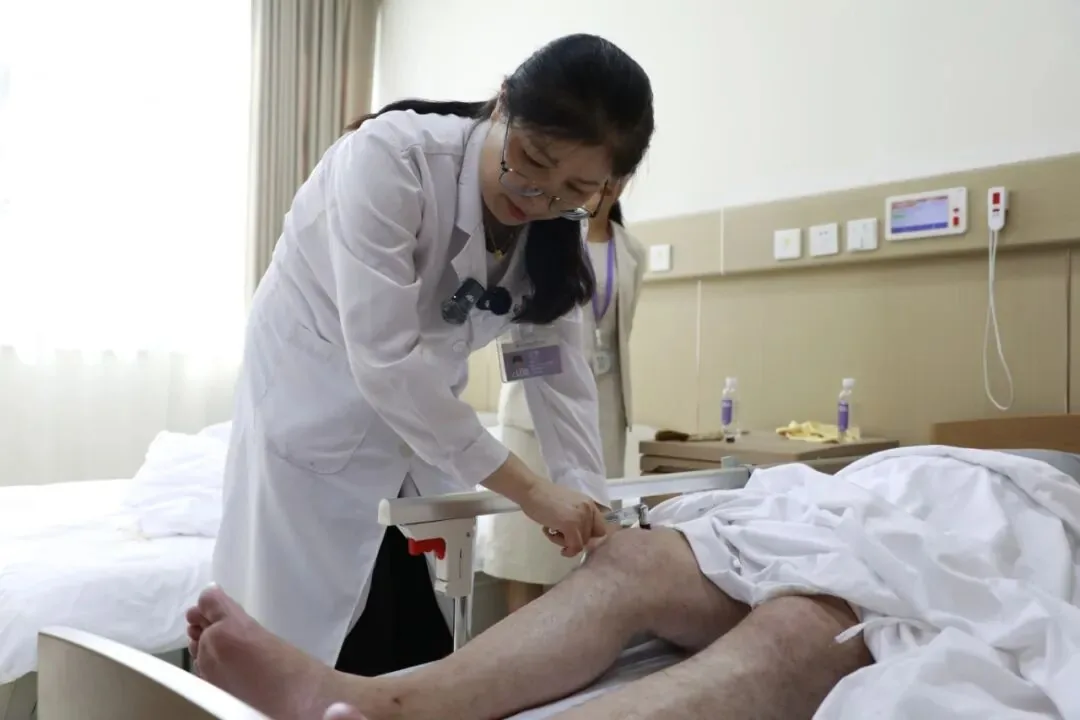
Delivering this treatment depended on several departments moving together: neurology, electrophysiology for the EMG studies, laboratory medicine for the genetic confirmation, pharmacy for access to the drug, and anesthesiology for the procedure itself, followed by post-treatment observation.
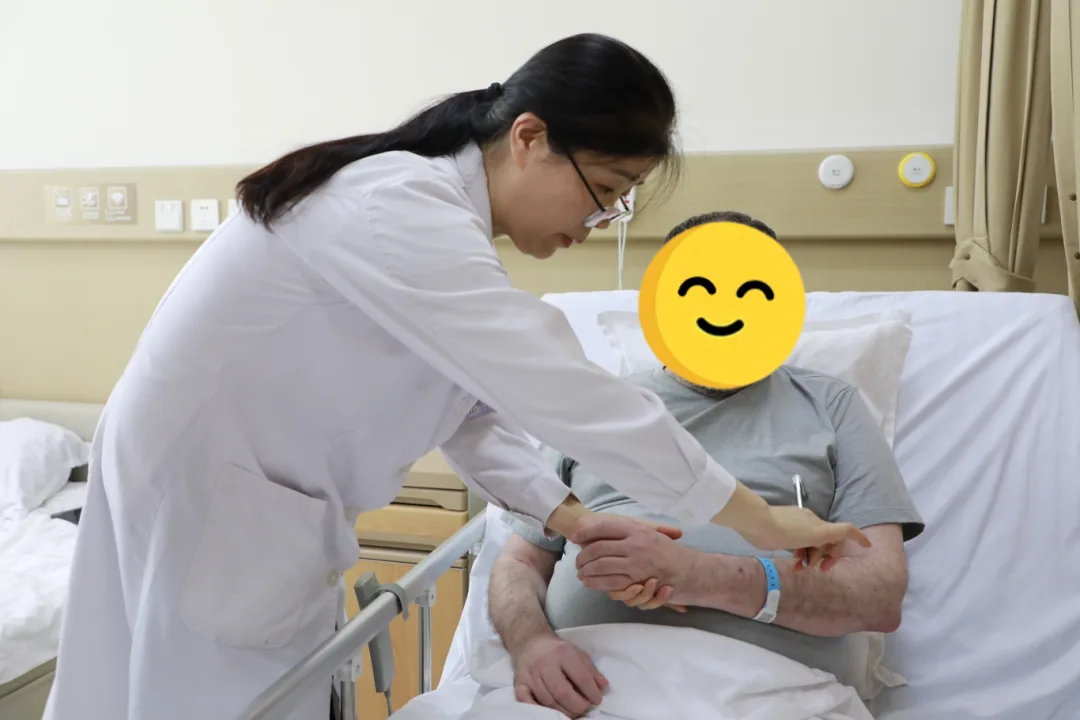
FIMC handled the rest of the journey — multilingual communication, appointment coordination and support across the visit — which is often what decides whether an international patient can complete treatment at all.
The team will follow the patient on a structured schedule, tracking his response and the course of the disease. The longer-term plan is a defined pathway for SOD1-related ALS that runs from genetic screening and treatment evaluation through to intrathecal administration and long-term management.
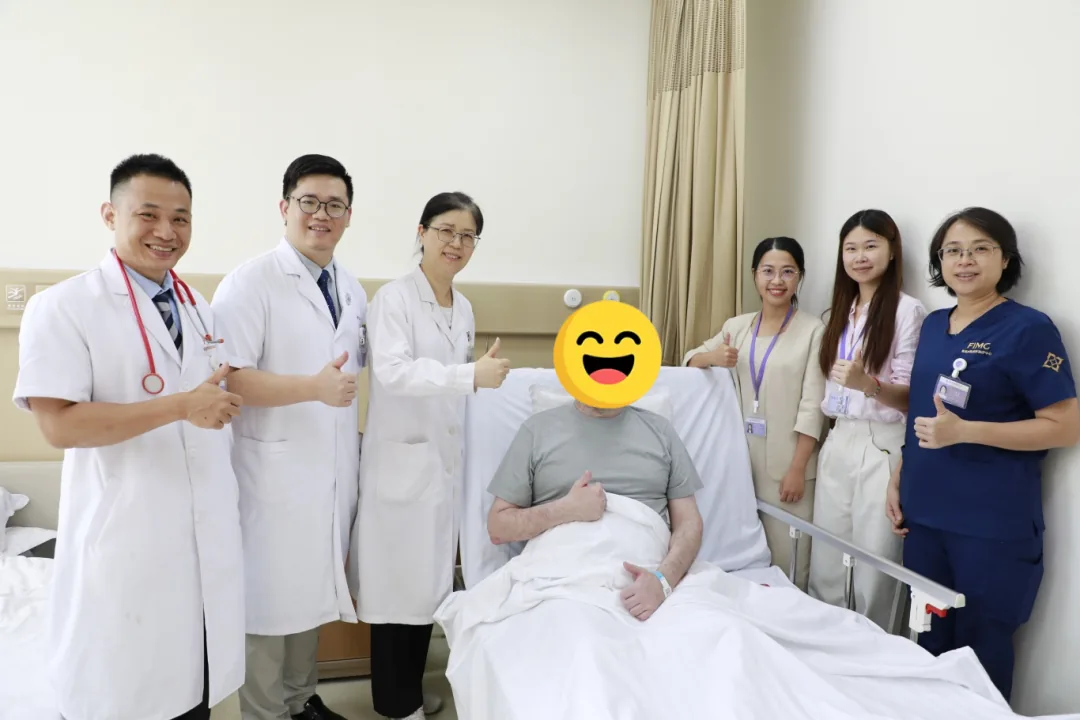
For decades, ALS has been a disease with few answers about its cause. For the small group of patients whose ALS is driven by SOD1, tofersen offers a treatment directed at the mechanism rather than the symptoms — and, for some, a measure of time.
Living with ALS, or caring for someone who is? Our team can help arrange genetic counselling, specialist review and treatment planning in Foshan.