As China's new regulations on the clinical research and translation of advanced biomedical technologies took effect on May 1, cell therapy's clinical value has moved to the center of industry attention. Yikaida (axicabtagene ciloleucel, Axi-cel), China's first CAR-T therapy, now stands on a full chain of evidence — five-year long-term follow-up, a breakthrough second-line result and Chinese real-world data — offering patients with relapsed/refractory large B-cell lymphoma (LBCL) the possibility of a cure.
What Is Axi-cel? A Living Drug, an All-Purpose Task Force
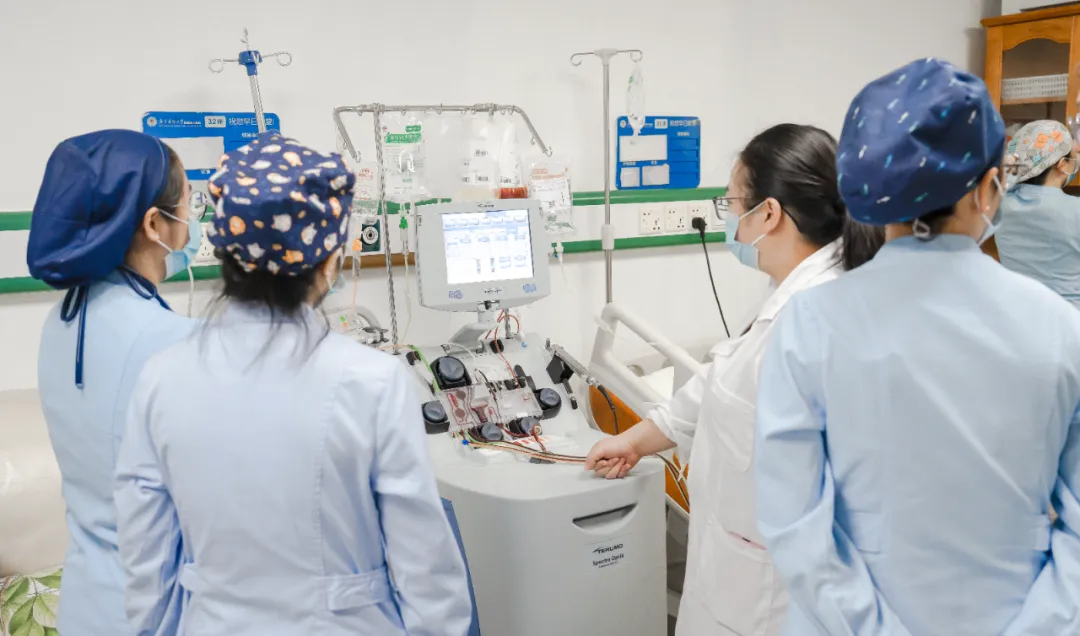
CAR-T cell therapy can be simply understood as follows: doctors extract immune T cells from a patient's own blood, and use genetic engineering to fit them with a "precision navigation system". The engineered cells act like a special task force against cancer — after being re-infused, they precisely lock onto and efficiently eliminate lymphoma cells. As a "living drug" that survives long-term in the body, CAR-T cells go further: they remodel the tumor microenvironment and reduce the risk of relapse at its root, laying the foundation for clinical cure.
Axi-cel is a CD19-targeted autologous CAR-T product developed specifically for large B-cell lymphoma. Since its approval, more than 25,000 patients worldwide and more than 1,400 patients in China have received Axi-cel treatment, making it one of the most mature CAR-T therapies in global clinical use, with the most comprehensive follow-up data.
Third-Line and Beyond: Breaking the Deadlock with Long-Term Survival
For relapsed/refractory patients who have failed multiple lines of therapy, the landmark global ZUMA-1 study provided a clear answer in long-term follow-up: five-year overall survival reached 42.6%, and among patients who achieved a complete response after treatment, the five-year survival rate was as high as 64.4%.
Even more importantly, the long-term data show a clear "survival plateau effect" — patients who survive five years are highly likely to remain in sustained remission without relapse, achieving "clinical cure" to the greatest extent possible. This breaks the bottleneck of conventional chemotherapy, from which long-term benefit is rare and survival is short, bringing hope of cure to patients in the most desperate situations.
Second-Line Treatment: Locking In the Window for Cure
For patients whose first-line treatment fails or who relapse within 12 months, the choice has long been limited to more intensive salvage therapy — with heavy side effects and the risk of missing the best window for cure. In the ZUMA-7 study, Axi-cel was compared head-to-head with conventional second-line standard therapy: the complete response rate reached 65%, far exceeding the conventional regimen.
In long-term follow-up, four-year overall survival reached 54.6% — meaning more than half of patients were still alive four years after treatment. This is the first therapy in nearly 30 years to deliver a significant overall survival benefit in the second-line setting. Second-line treatment is no longer about "buying time": for the first time, it carries a genuine hope of cure.
High-Risk and Special Populations: Widening the Boundaries of Cure
In the ZUMA-12 study, patients with high-risk disease at initial diagnosis who received Axi-cel early achieved a complete response rate of 86% and a three-year overall survival rate of 75.1%.
In the ALYCANTE study, patients too elderly or frail to tolerate high-dose chemotherapy with autologous stem-cell transplantation still achieved a 71% complete response rate with Axi-cel — opening a new path for this special population.
For primary central nervous system lymphoma — a fast-progressing, hard-to-treat disease — Axi-cel became the only CAR-T product to have the "not recommended for primary CNS lymphoma" restriction removed from its US FDA prescribing information. Clinical data confirm that it effectively crosses the blood-brain barrier, breaking through the limits of CNS lymphoma treatment.
Key long-term data at a glance
- ZUMA-1 (third-line+): 5-year overall survival 42.6%; 64.4% among complete responders — a clear survival plateau
- ZUMA-7 (second-line): complete response rate 65%; 4-year overall survival 54.6% — first significant OS gain in ~30 years
- ZUMA-12 (high-risk, early use): complete response rate 86%; 3-year overall survival 75.1%
- ALYCANTE (transplant-ineligible): complete response rate 71%
- Chinese real-world study (201 patients): best overall response rate 83%, complete response rate 67%
- 25,000+ patients treated worldwide, including 1,400+ in China
Validated in the Real World, in China
Axi-cel's clinical trial results have been consistently reproduced in real-world studies across the globe — and replicated in Chinese clinical practice. A Chinese real-world study of 201 patients with relapsed/refractory LBCL showed a best overall response rate of 83% and a complete response rate of 67%, highly consistent with the pivotal global studies.
Chinese clinical practice has also shown a favorable safety profile: the incidence of severe cytokine release syndrome and severe neurotoxicity — the most feared CAR-T adverse events — was lower, and overall adverse events were controllable and reversible. After years of clinical accumulation, a mature system of standardized diagnosis, treatment and adverse-event management is now in place in China, further validating the efficacy and safety of Axi-cel in Chinese patients.
An Exclusive Second-Line Indication: Moving Treatment Earlier
Axi-cel holds an unrepeatable distinction among CAR-T products: it is the first and only CAR-T cell therapy approved in China for second-line LBCL. The core value is "moving treatment earlier" — instead of enduring repeated lines of ineffective chemotherapy, patients can now receive Axi-cel early in relapse, when their disease burden is lower and their condition is better, locking in the window for cure and maximizing the probability of long-term survival.
Part of the Fosun Health Global Network
Foshan Chancheng Hospital belongs to the same Fosun healthcare ecosystem as Fosun Kairos, the developer of Yikaida. As the evidence base for China's CAR-T therapy matures from remission toward cure, Foshan Chancheng Hospital serves as the ecosystem's international care gateway in southern China — its T-cell collection and cell therapy services, 20,000 m² Foshan International Medical Center (FIMC) and global referral channels connect patients from more than 100 countries with China's cell therapy innovation.
From remission to cure: what was once an aspiration for patients with relapsed/refractory lymphoma is becoming an attainable reality — and China's long-term CAR-T data are rewriting the treatment standard along the way.