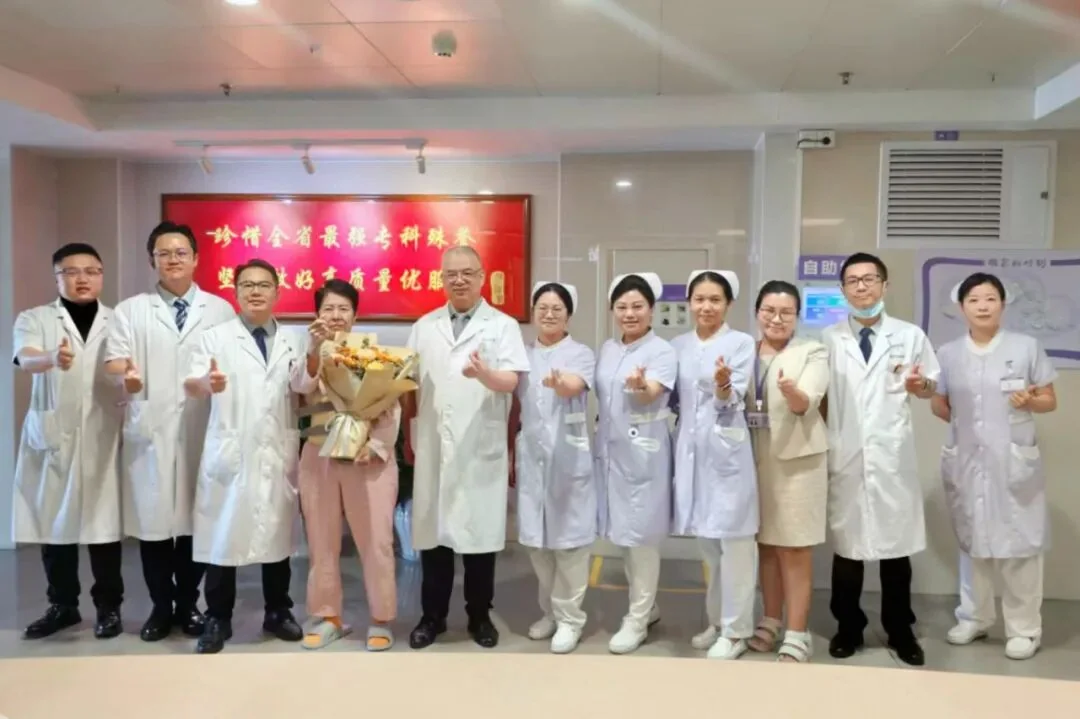
When 64-year-old Ani from Lubuklinggau, South Sumatra, walked down the hospital corridor, she moved steadily with a smile — a stark contrast to just over ten days earlier, when she could barely manage 100 meters without wincing in pain. She had travelled more than 2,000 kilometers from Indonesia to Foshan Chancheng Hospital’s International Medical Center (FIMC) in Foshan, China, seeking specialized care for a complex spinal condition.
A Journey Across Borders Built on Trust
Ani’s decision to seek treatment in Foshan was far from spontaneous. She had previously undergone knee replacement surgery in Penang, Malaysia — a destination closer to Indonesia and easier to communicate in. This time, however, she and her family chose to place their trust in a hospital in Foshan, China.
For years, lower back pain had limited her life. One of her most debilitating symptoms was neurogenic intermittent claudication: after walking less than ten minutes, numbness and sharp pain in both legs forced her to stop and rest. She first considered returning to Penang. But imaging revealed a daunting combination — lumbar disc herniation, spinal canal stenosis, scoliosis with mild spondylolisthesis, and severe osteoporosis. Local doctors proposed a major surgery expected to last eight hours. “Eight hours? I was frightened when I heard that,” Ani recalled.
A turning point came when her family learned about FIMC. They sent Ani’s MRI and X-rays for a remote assessment. After reviewing the images, the specialist team concluded that surgery was feasible, with a favorable outlook — and responded with unusual clarity. Dr. Chen Jiahua, Director of Spine Surgery Department II and the lead surgeon, explained: “After reviewing her scans remotely, we developed a clear treatment plan. Our professional and thorough assessment helped the patient make her decision.”
Precision Surgery and Comprehensive Patient Care
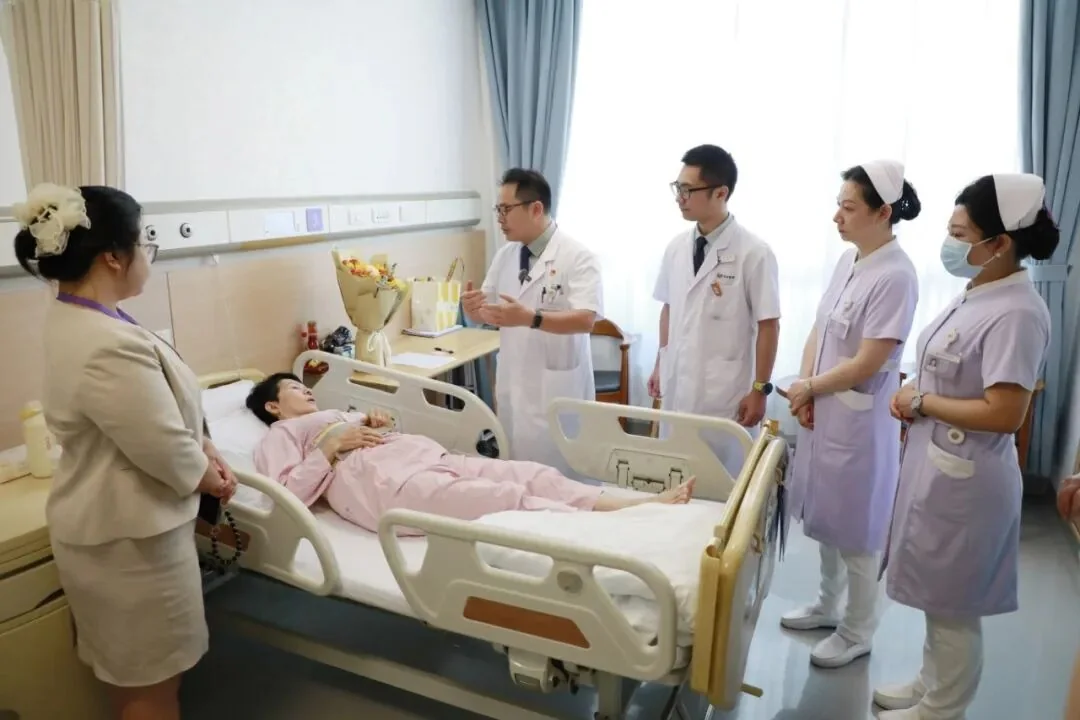
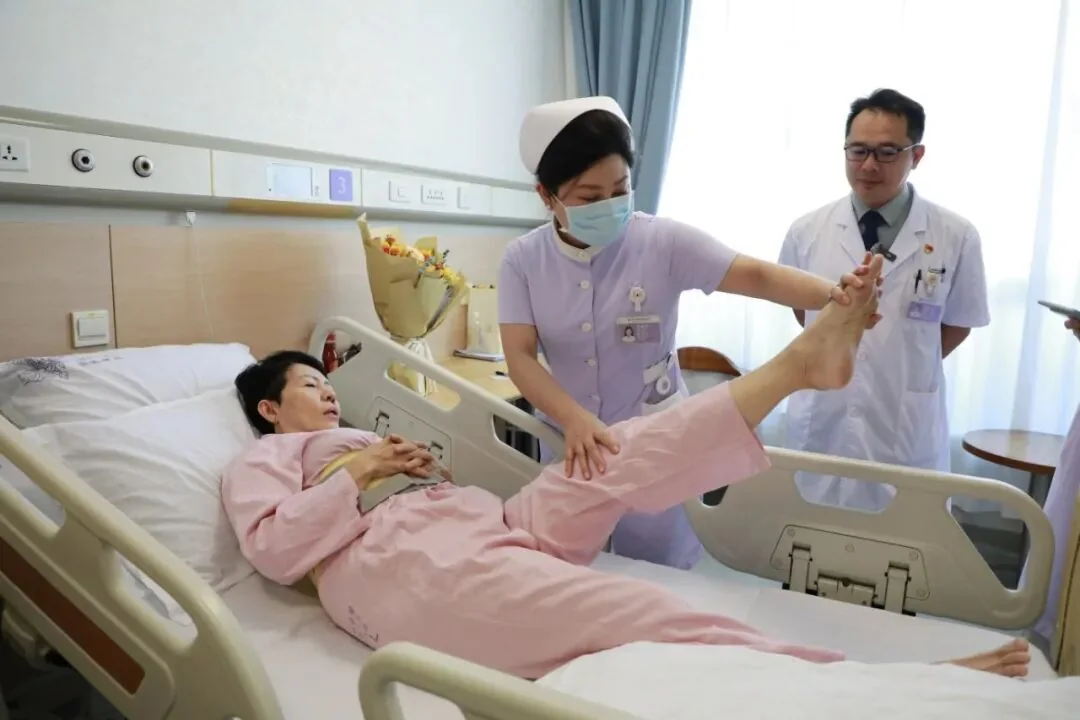
On October 7, during China’s National Day holiday, Ani successfully underwent robot-assisted spinal surgery at Foshan Chancheng Hospital. Given her severe osteoporosis, the team adopted a carefully tailored approach using autologous bone graft fusion — decompressing the nerves, correcting the curvature, and promoting long-term stability. After surgery, they fitted her with a customized brace to support early mobilization. “Before surgery, she could barely walk 100 to 200 meters. Just now, I saw her walking laps around the corridor,” Dr. Chen said with satisfaction. He expects Ani, with continued rehabilitation, to regain mobility and quality of life comparable to others her age.
More Than Treatment: Care That Travels With the Patient
For international patients, the worries often extend beyond the illness itself. Language, food, unfamiliar surroundings and daily routines can add to the strain of seeking care abroad — exactly the challenges FIMC has spent years learning to ease.
From remote assessment and travel coordination to airport pickup, expedited admission, around-the-clock interpretation and continued rehabilitation guidance through WeChat, a dedicated team supports patients at every step. Care does not end at discharge: attending specialists answer questions directly in patient groups, with coordinators ensuring clear communication and continuity. “The service was really excellent. We are very satisfied,” Ani said repeatedly. “The doctors were very patient, and the nurses were so kind. Their warmth made us feel truly comfortable.”
Building International Trust Through Medical Excellence
Ani’s story reflects the clinical depth behind Foshan Chancheng Hospital’s International Medical Center. As a Guangdong Provincial Key Clinical Specialty, the hospital’s Spine Surgery Department has built a complete subspecialty system — minimally invasive spine surgery, scoliosis correction, cervical spine surgery and complex reconstruction — refining a safe, minimally invasive and individualized “Chanyi approach” to common lumbar and cervical conditions.
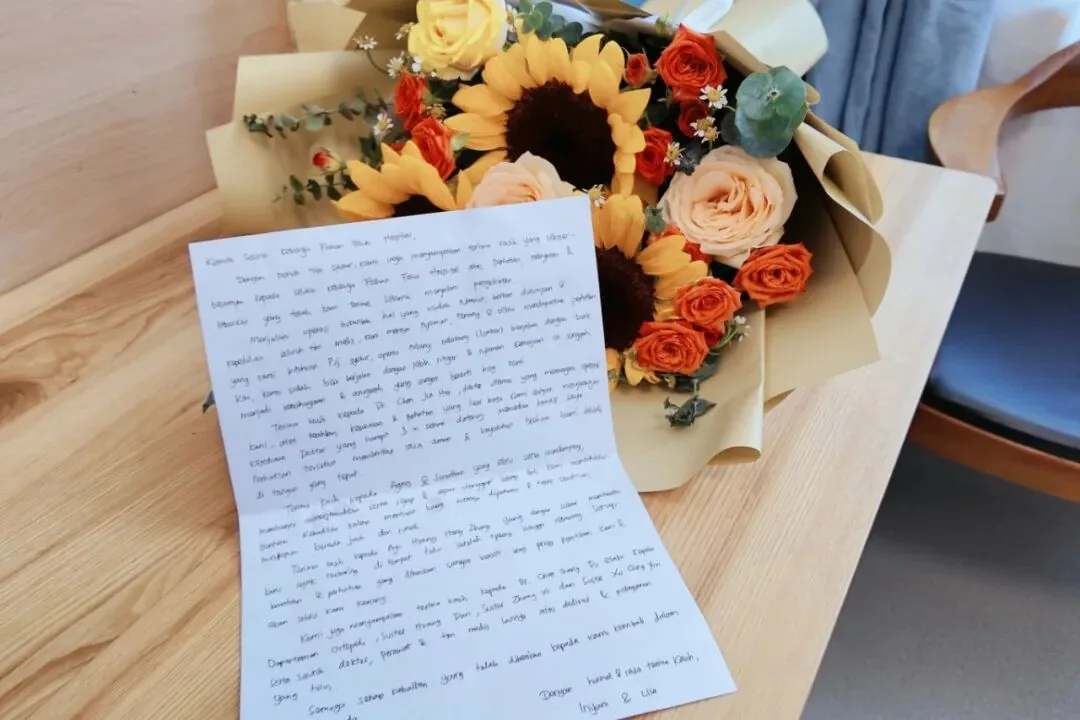
Before leaving, Ani offered a small gesture: slowly, in Chinese, she said “Xie Xie” — thank you. She plans to tell her friends in Indonesia about her experience in Foshan. From Lubuklinggau to Foshan, her journey crossed more than distance. It carried a growing trust in Chinese healthcare — and, one patient at a time, is helping a city connect with the world.