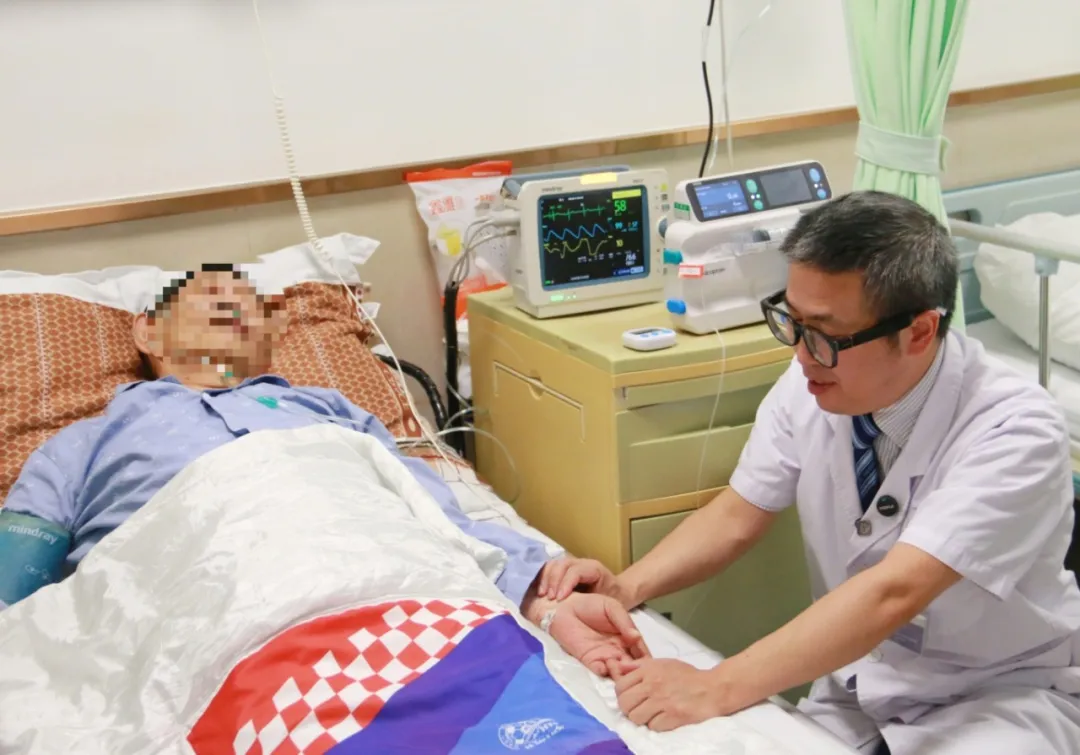
“On my first night in Foshan, my heart finally settled — I slept a full night for the first time in a long while.” Those were the words of Mr. Guo (pseudonym), an 80-year-old man who had endured more than two years of severe diabetic-foot pain and was facing the prospect of amputation.
Thanks to Guangdong Province’s Greater Bay Area Drug and Medical-Device Access policy, the international innovative drug Iloprost injection has officially landed in Foshan. Its first clinical use took place at Foshan Chancheng Hospital, offering a new option for patients with severe peripheral vascular disease who had run out of conventional choices.
Two Years of Ischemic Crisis: Stents Could Not Reach the Microcirculation
Mr. Guo has lived with Type 2 diabetes for more than a decade. He had already undergone multiple femoral-artery balloon angioplasties and stent placements at other hospitals, yet his lower-limb symptoms persisted. Toes turned black and necrotic, ulcers appeared on his lower leg, and the pain kept him awake night after night. “The pain was so bad I wanted to saw the leg off myself,” he recalled.
In December 2025, on a relative’s recommendation, he came to the Wound Repair Department at Foshan Chancheng Hospital. After several surgical procedures the pain dropped sharply; but in June 2026 the wound enlarged again and amputation became a real risk.
What Is Iloprost?
Iloprost is a prostacyclin analog and a core targeted therapy for cardiovascular and peripheral vascular disease. It is indicated for patients with severe peripheral arterial occlusive disease (PAOD) and amputation risk who cannot undergo surgery or angioplasty; for advanced Buerger’s disease (thromboangiitis obliterans) with severe limb ischemia and no revascularization option; and for severe disabling Raynaud’s phenomenon that has not responded to other therapies. The drug has already been used clinically in the United Kingdom, France, Australia and other countries.
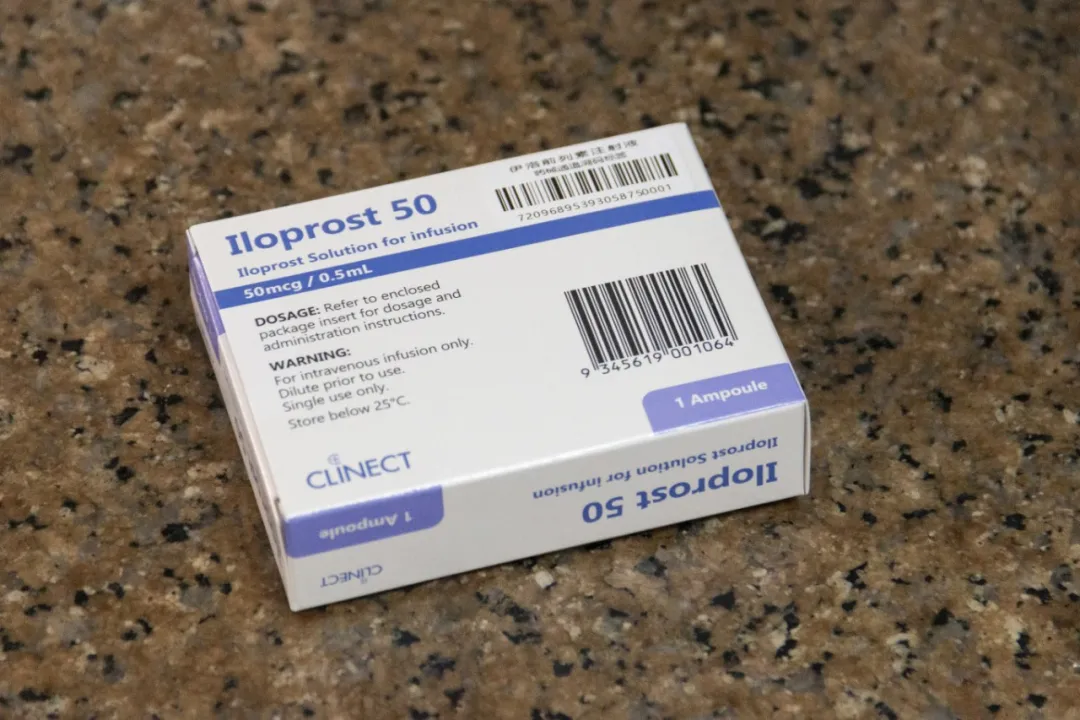
The First Dose: August 11 at 11 a.m.
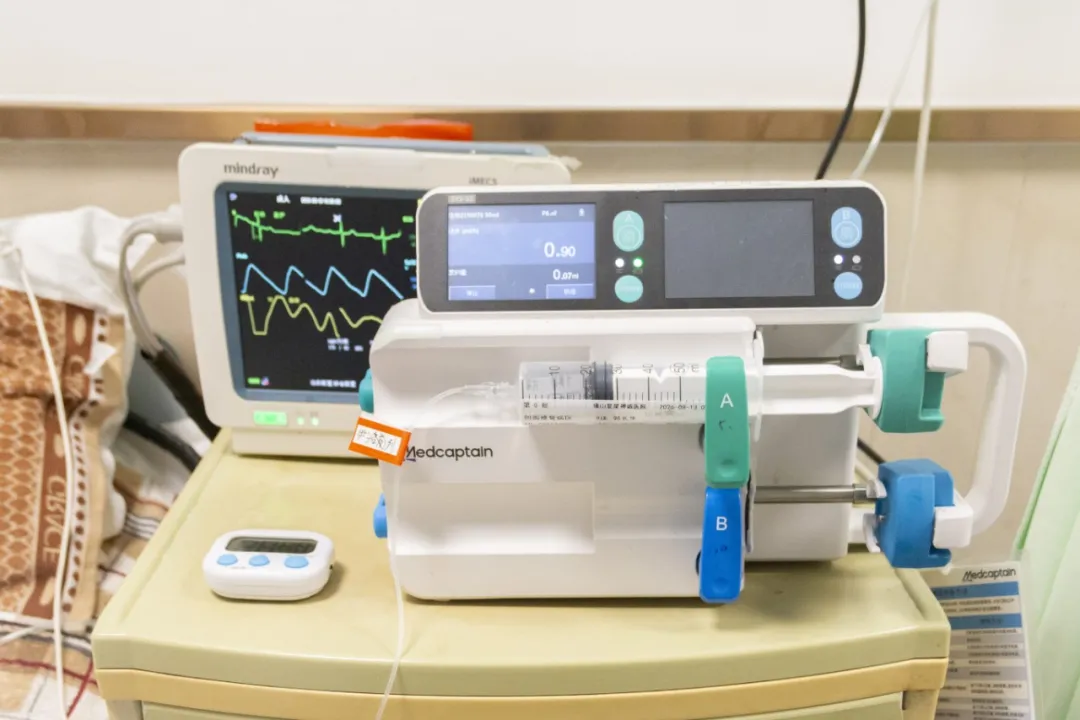
At 11 a.m. on August 11, 2026, Director Hu Haitao and his team began Mr. Guo’s Iloprost infusion. Oxygen flowed through a nasal cannula to raise blood oxygen saturation; a bedside infusion pump delivered the medication at a constant rate; and nurses recorded blood pressure, heart rate and oxygen saturation every five minutes. This was already the third injection of Mr. Guo’s treatment course.
“It felt like a warm current flowing down my blood vessels; my toes finally came back to life,” Mr. Guo said.
Why the Microcirculation Matters
Traditional stenting can reopen the main trunk arteries, but it often cannot clear the fine microvessels below the knee and in the foot. Iloprost dilates blood vessels and promotes the growth of new collateral circulation, directly addressing the core problem of insufficient blood supply to the distal foot. Once blood returns, it carries immune cells and repair factors to the ulcer surface, helping the wound heal.
“We use an infusion pump for precise rate control, combined with oxygen inhalation to raise blood-oxygen saturation. This both preserves drug effect and reduces side effects such as blood-pressure fluctuations,” explained Director Hu Haitao.
After the first dose, Mr. Guo showed the typical early response of warmth in the limbs. The team is now closely monitoring wound healing and pain scores, and preliminary efficacy is in line with expectations.
Clinical evidence for Iloprost in severe limb ischemia
- 83% of patients with severe ischemia saw rest pain improve or disappear.
- Average walking distance increased by 125%.
- Among Buerger’s disease patients, 85% achieved complete ulcer healing by week 24, with amputation rate reduced to 0%.
- In severe Raynaud’s, 73% had fewer attacks and 85% fewer digital ulcers.
The Scale of the Diabetic-Foot Problem
Mr. Guo’s situation is far from unique. China has roughly 148 million adults living with diabetes. In patients over 50, diabetic foot occurs at an annual rate of 8.1%, and the overall amputation rate reaches 19.03%. Diabetic foot is the leading cause of non-traumatic amputation. For patients whose conventional treatment has failed, the arrival of Iloprost brings tangible hope of limb salvage.
Bringing Frontier Therapies Closer to Patients
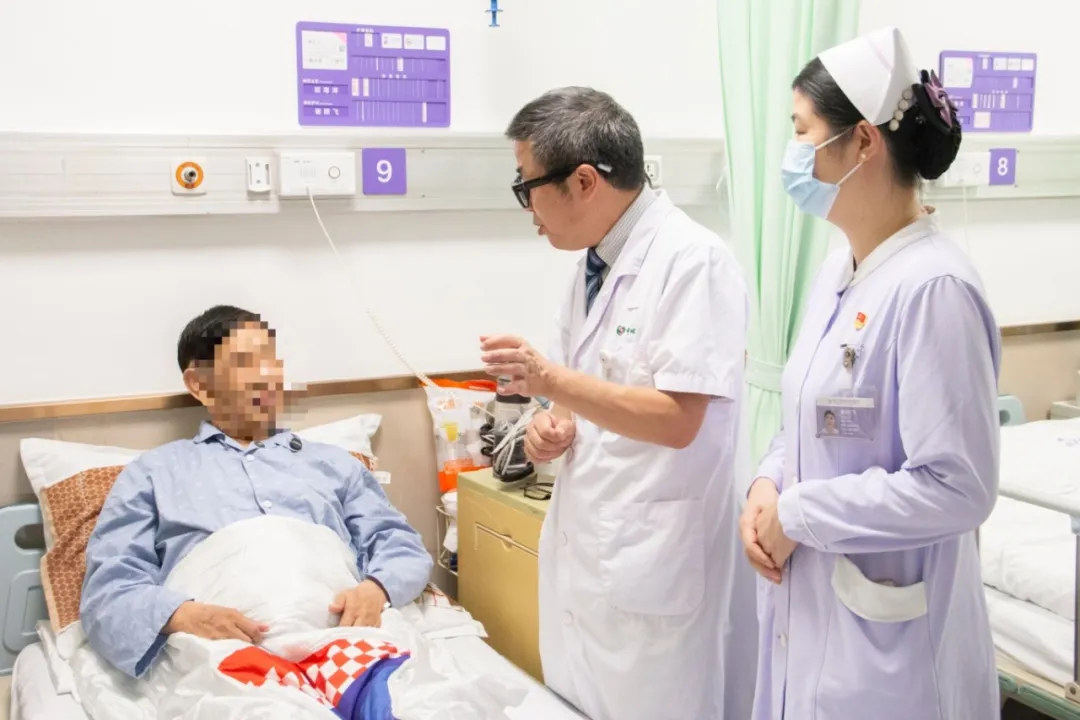
Foshan Chancheng Hospital is one of the designated medical institutions under the Greater Bay Area Drug and Medical-Device Access policy. The Wound Repair Department has long focused on acute and chronic wound care, working closely with interventional radiology, hand-foot surgery, nutrition and other teams to offer vascular intervention, negative-pressure wound therapy, flap repair and other advanced techniques. Through multidisciplinary collaboration, it manages diabetic foot, chronic leg ulcers, pressure injuries, post-operative infected ulcers and other complex wounds in a standardized way.
“This first local use of Iloprost is a concrete example of how the hospital connects with cutting-edge resources in the Greater Bay Area,” said Director Hu Haitao. “Going forward, the department will continue to accumulate local clinical experience, refine multidisciplinary treatment plans, and bring limb-salvage hope to more patients who have exhausted routine options.”
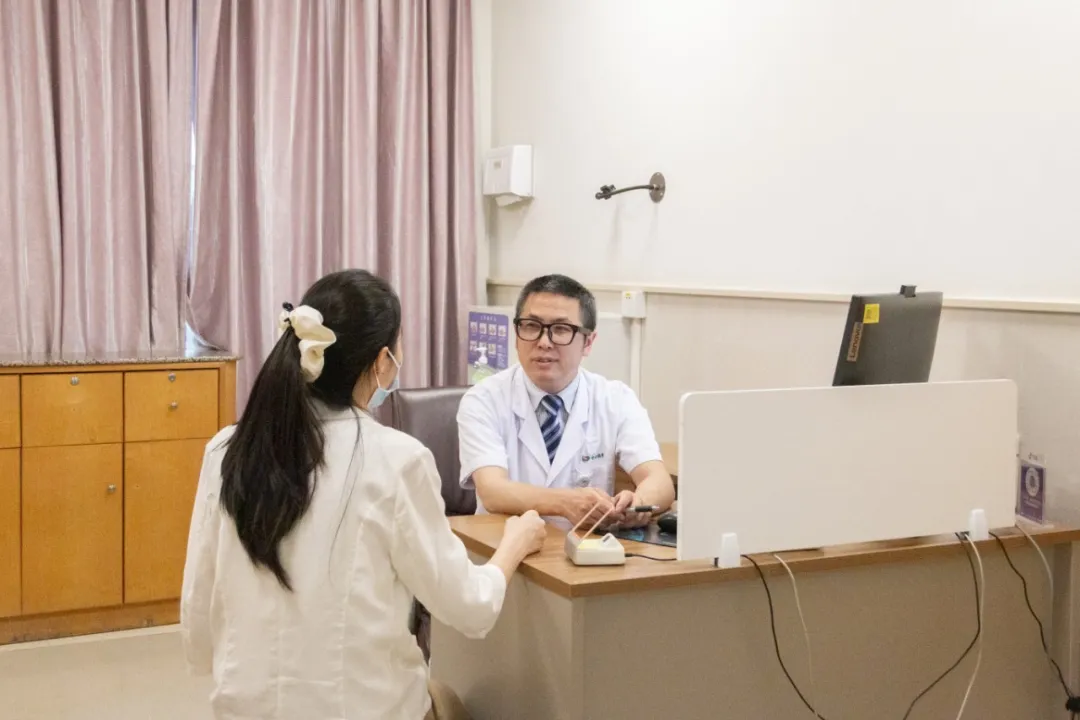
“I am confident about the treatment. At my age I have no grand wishes — I just hope the wound heals soon and I no longer have to live with pain every day.”
For patients and families watching a loved one face amputation after years of vascular problems, Mr. Guo’s story is a reminder that new therapeutic windows can open when innovative drugs, policy support and experienced multidisciplinary care come together.